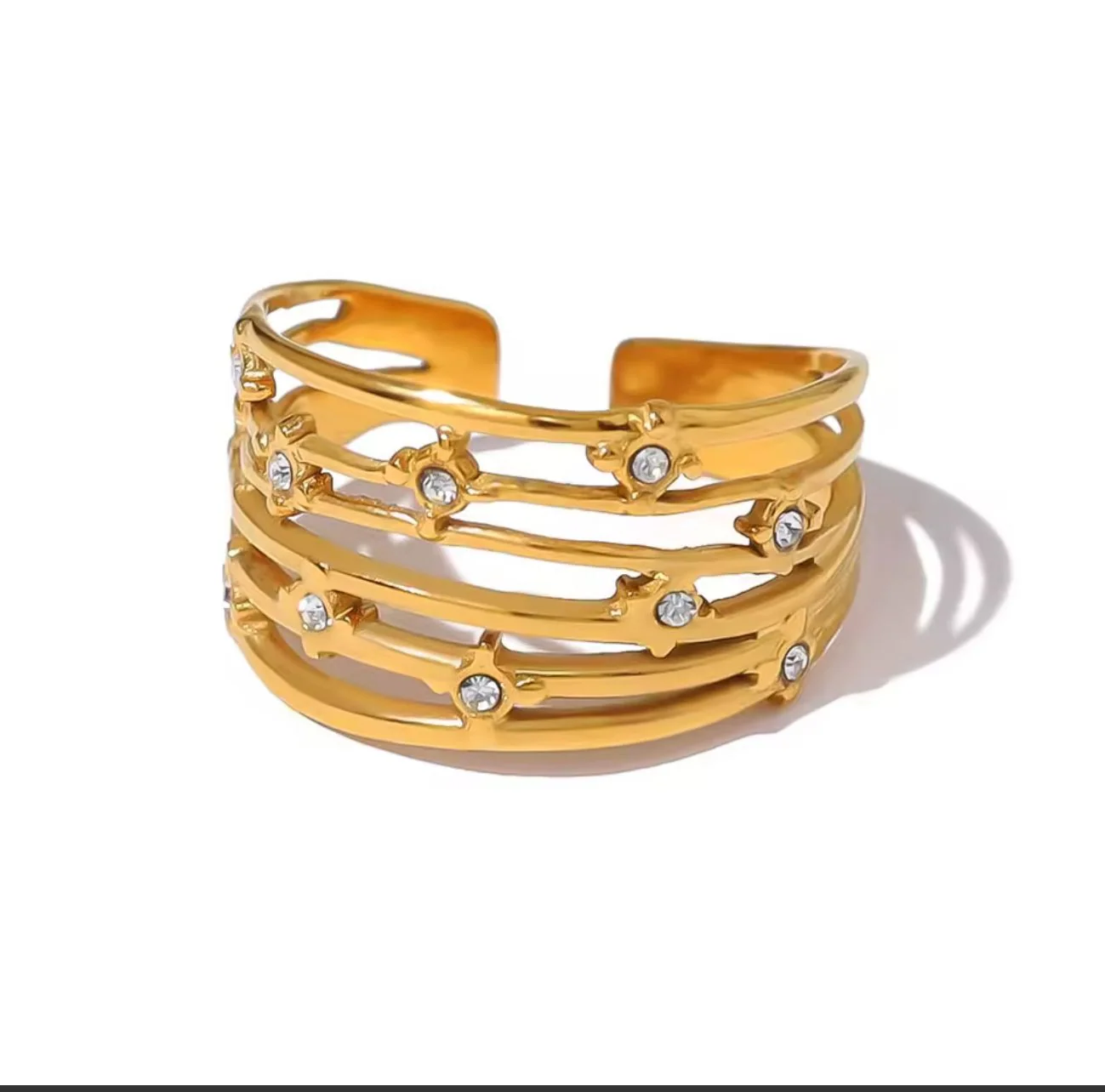
The mistake almost everyone makes with a first stack is buying three pieces at once, on the same afternoon, in the same mood. They arrive, they look like a set, and within a month you are wearing one of them and wondering why the other two feel like a costume.
Buy them in order instead, and give each one a few weeks before adding the next.
First: the plain band
Start with the piece that does the least. A slim, unadorned band in the metal you wear most is the thing everything else will be measured against, and it is the piece you will still be putting on when the others are having a quiet year. It should be comfortable enough that you forget it is on.
Wear it alone for a fortnight. You will learn which finger it actually belongs on, which is rarely the one you assumed.
Second: the one with texture
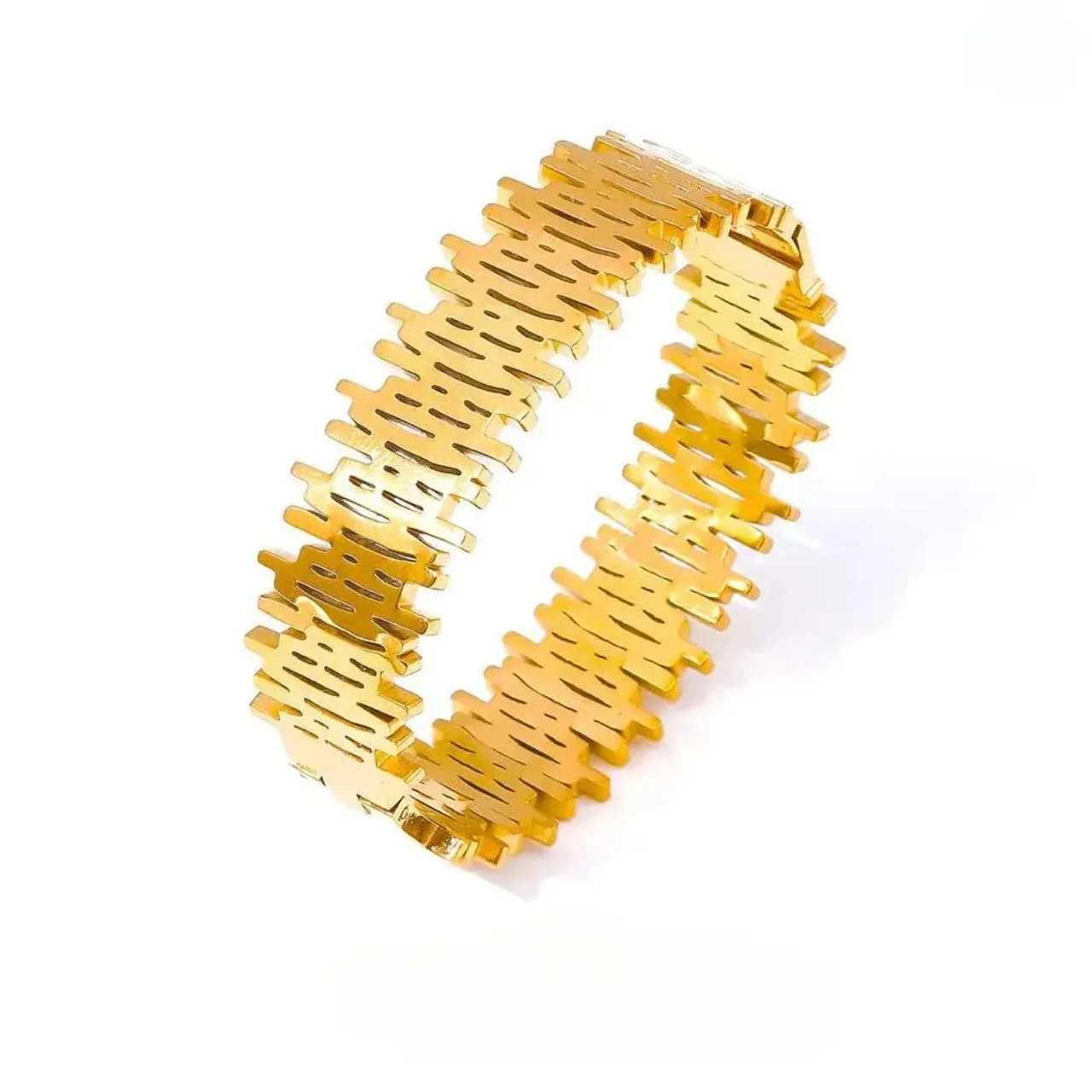
Now add contrast — a twist, a nugget finish, a band with some surface to it. This is what stops a stack reading as one thick ring. Keep it in the same metal as the first; mixing metals is a genuinely good look but it is a second-year move, and doing it in your first three pieces usually just reads as unmatched.
A stack is a conversation between pieces. Two of them should be listening.
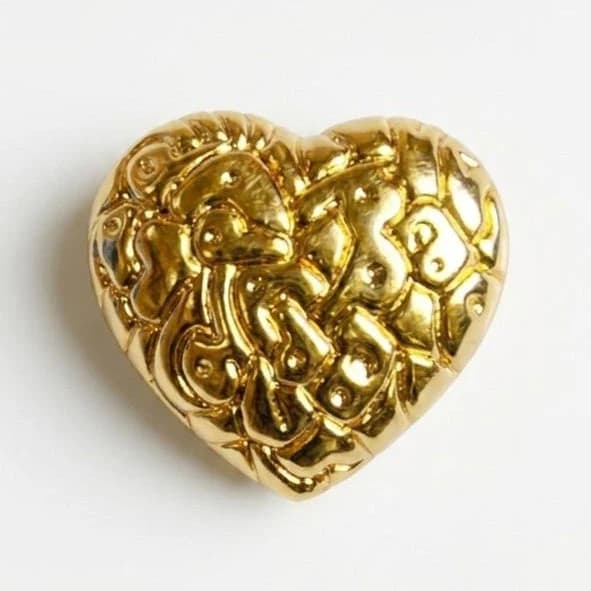
Third: the one with a stone
Last, and only last, the piece with something set into it. It is the focal point, and a focal point needs the other two to exist first or it is just a single ring on its own. Put it above or below the pair rather than between them — sandwiched in the middle it loses its own outline.
On sizing, which nobody warns you about
Stacked rings sit differently from a single one. Three bands on one finger take up real vertical space and will feel tighter than any of them does alone, so if you are between sizes, size up on the pieces going on the same finger. Fingers also swell in heat and late in the day — if a ring only fits perfectly at eight in the morning in January, it is too small.
And leave a bare finger next to the stack. Every finger loaded is the fastest way to make good pieces look cheap.