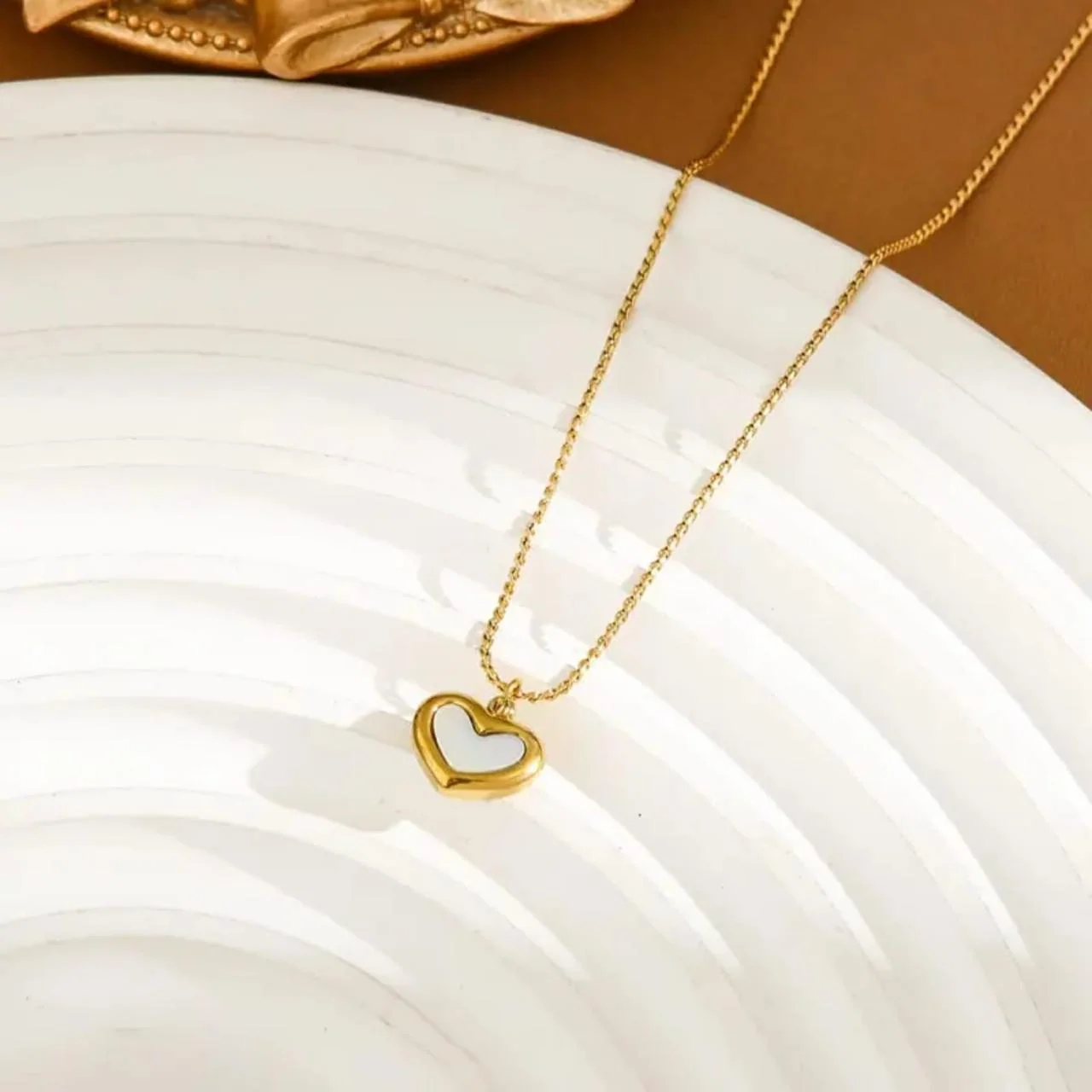
Layering looks effortless and almost never is. The difference between a stack that reads as considered and one that reads as everything-at-once is not the pieces — it is the gaps between them.
Leave four centimetres between chains
The single rule worth memorising. Four centimetres — roughly two finger-widths — is enough separation that each chain sits in its own space and the eye reads three distinct pieces. Closer than that and they overlap, catch on each other, and spend the day migrating into a single knot at your collarbone. If your chains are adjustable, this is what the extender is for.
In practice that means something like 40cm, 45cm and 50cm. A choker-length piece sitting high on the neck, a mid-length with the pendant you actually want people to notice, and a longer chain that drops past both.
Only one piece gets to be loud
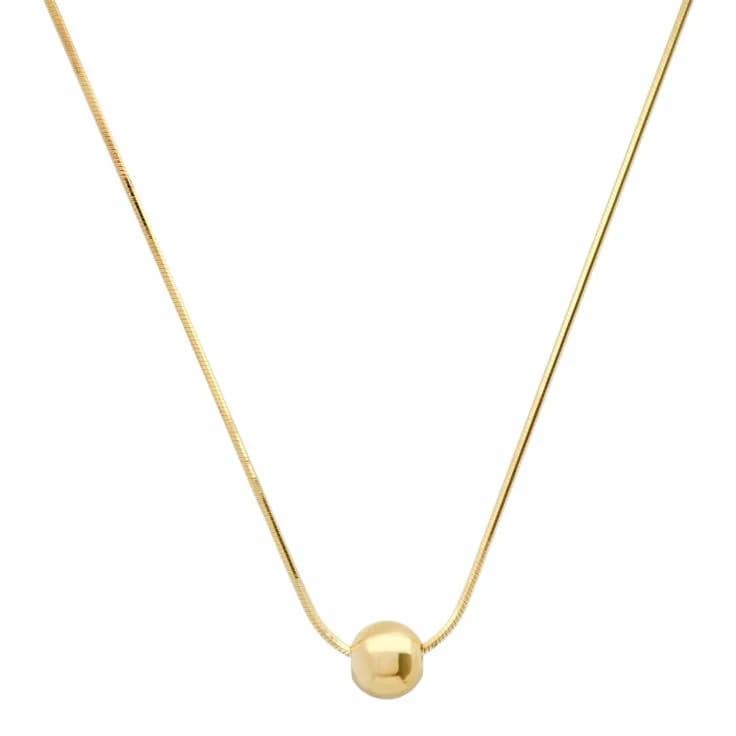
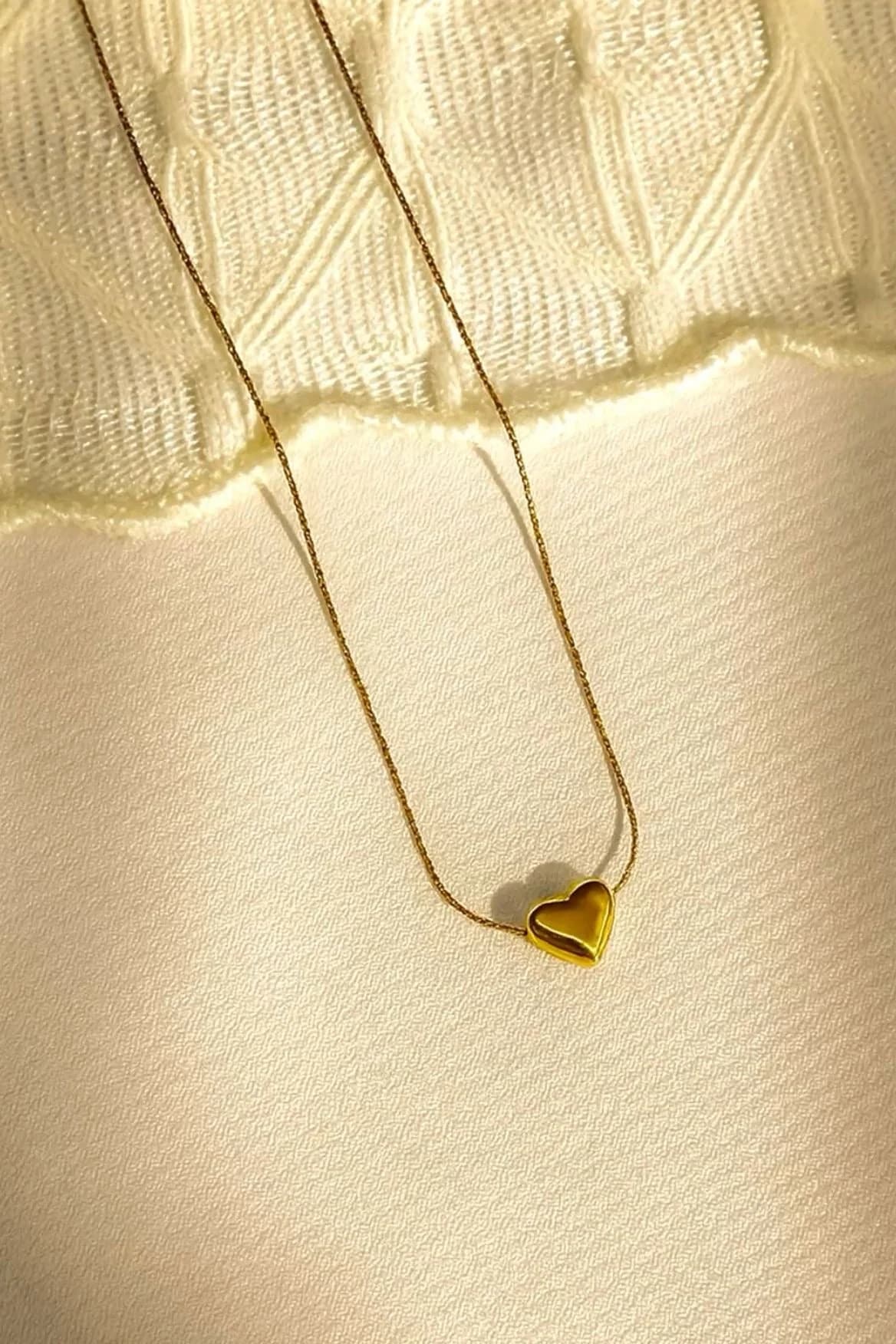
Pick the pendant that is doing the talking and let the other two be plain chain. Three charms competing at three different heights is not a stack, it is a collision. The quiet chains are what give the loud one somewhere to sit.
The chains you barely notice are the ones doing the work.
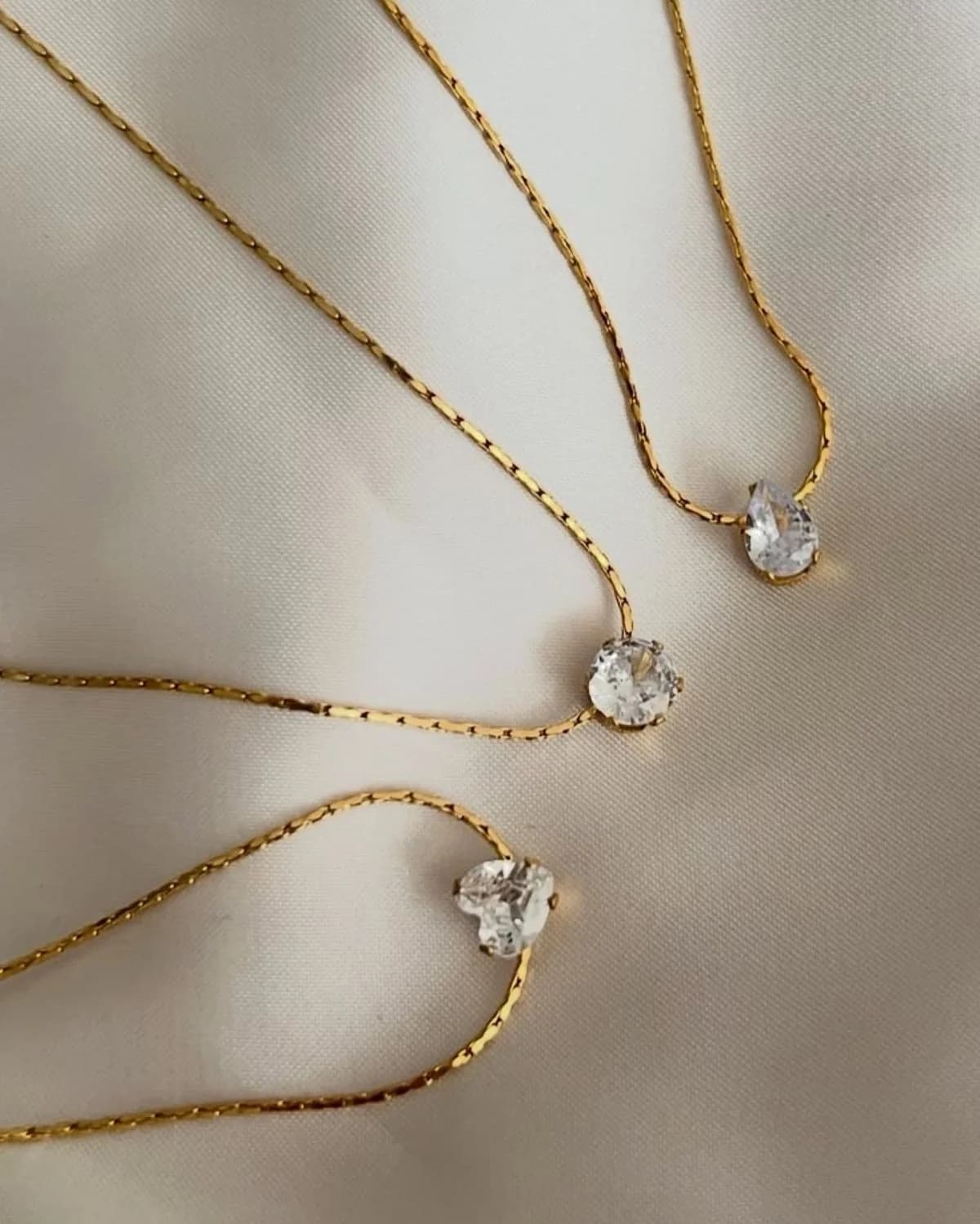
Match the clasp weight, not just the colour
A heavy clasp on a fine chain drags the whole piece around until the fastening ends up at the front. If you are layering a delicate chain with a chunkier one, put the lighter piece on last so it sits over the top rather than being pulled under.
Work with the neckline you are actually wearing
A crew neck gives you a hard horizontal line, so keep the whole stack above it or commit to going well below — half-covered chains look like an accident. A V-neck does the opposite and wants the layers to follow its angle, shortest at the top. An open collar is the easiest thing to layer against and the reason most layering photographs are shot on a shirt.
Store them separately or you will do this again tomorrow
Most tangling does not happen while you are wearing them. It happens in the dish by the sink, overnight, in a pile. Fasten each chain before you put it down and hang it, or lay it flat with the clasp closed. Thirty seconds at the end of the day saves ten minutes with a pin the next morning.